Rental Car Pick Up
Ready to go in our Rental (“Hired Car”)
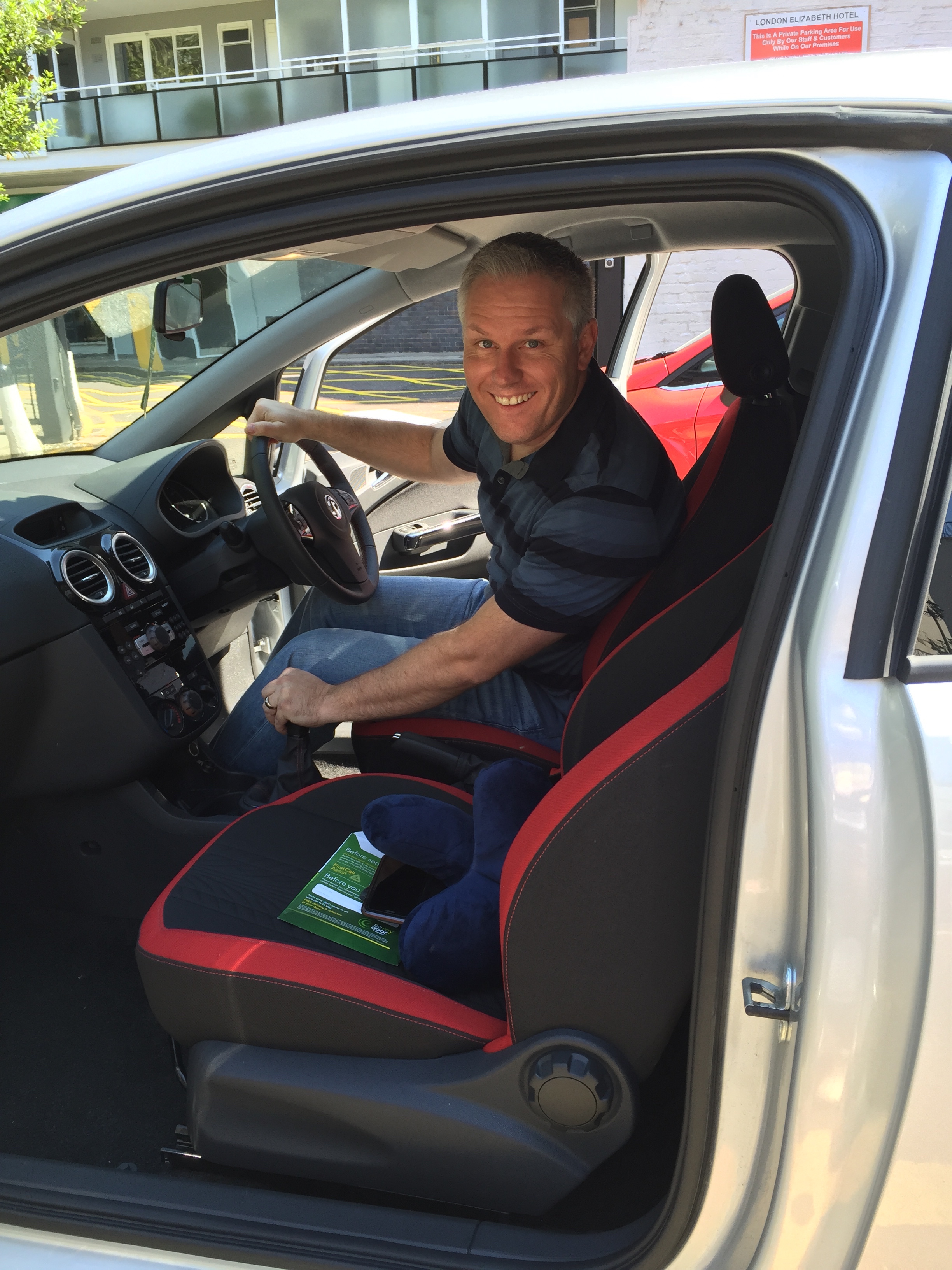
The first part of our day today involved us picking up our Europcar at the Hyde Park Station. A quick and easy taxi ride got us there about 10:00 am this morning. I have to admit, I was a little nervous about driving a car on the wrong side of the road with a wheel on the wrong side of the car, and shifting with my left hand. (Yes, we rented a manual transmission).
The English don’t call it a car rental, they call it a “Car for Hire.” After figuring out the parking brake was still on after the first block, and becoming comfortable with the clutch and distinguishing between the location between the first and third gears, I was ready to go. Driving in traffic and on the narrow country roads are the hardest. The freeways are pretty easy. I just follow the car in front of me. I find myself constantly thinking stay on the left, stay on the left. Anyway, whats a trip without adventure.
Bath
From London we took the A4 all the way to Bath. Bath is a unique city in England. Founded by the Romans around the time of Christ, the city overtime forgot about its Roman heritage and focused on the construction of Norman and Anglican churches. Bath is one of the most uniform looking cities I have ever seen. Most of the buildings have a similar look and feel. Four things in Bath stick out to me the most: Bath Abbey; the Roman Bath Houses; The Circus; and the Assembly Rooms.
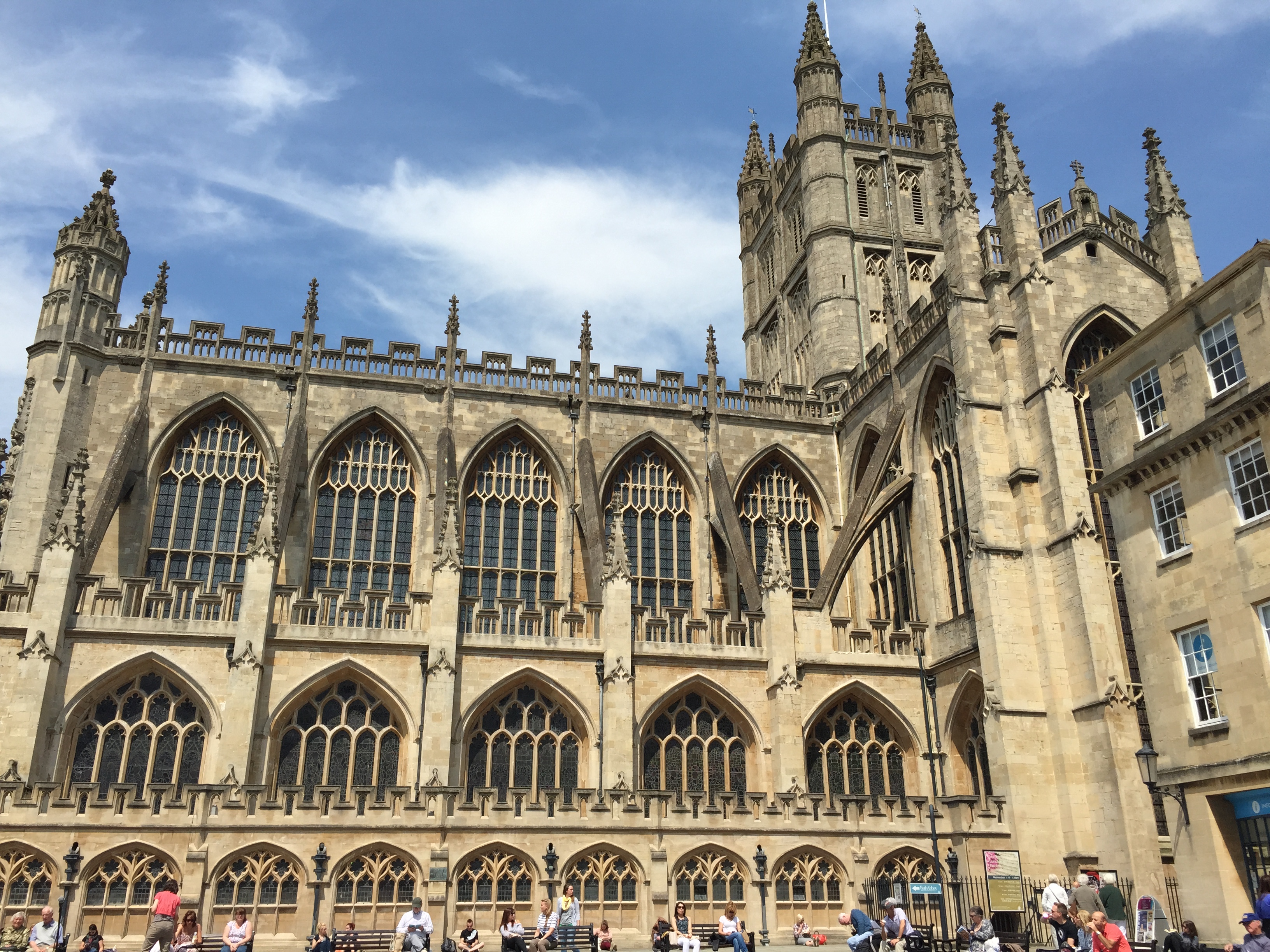 Upon arriving in Bath we parked at the Hilton and walked a short bit to the Bath Market where we had lunch. (great cherry almond cake). After browsing the market we walked a short distance to Bath Abbey. Built upon the ruins of a Norman Cathedral, Bath Abbey is an imposing Gothic Chapel.
Construction of the chapel began in 1499. Several local religious and political figures are buried there, including a United States senator who died in Bath while visiting in 1804. The entire floor is clustered with memorials listing the names of those buried there. I saw several from the 1600s.
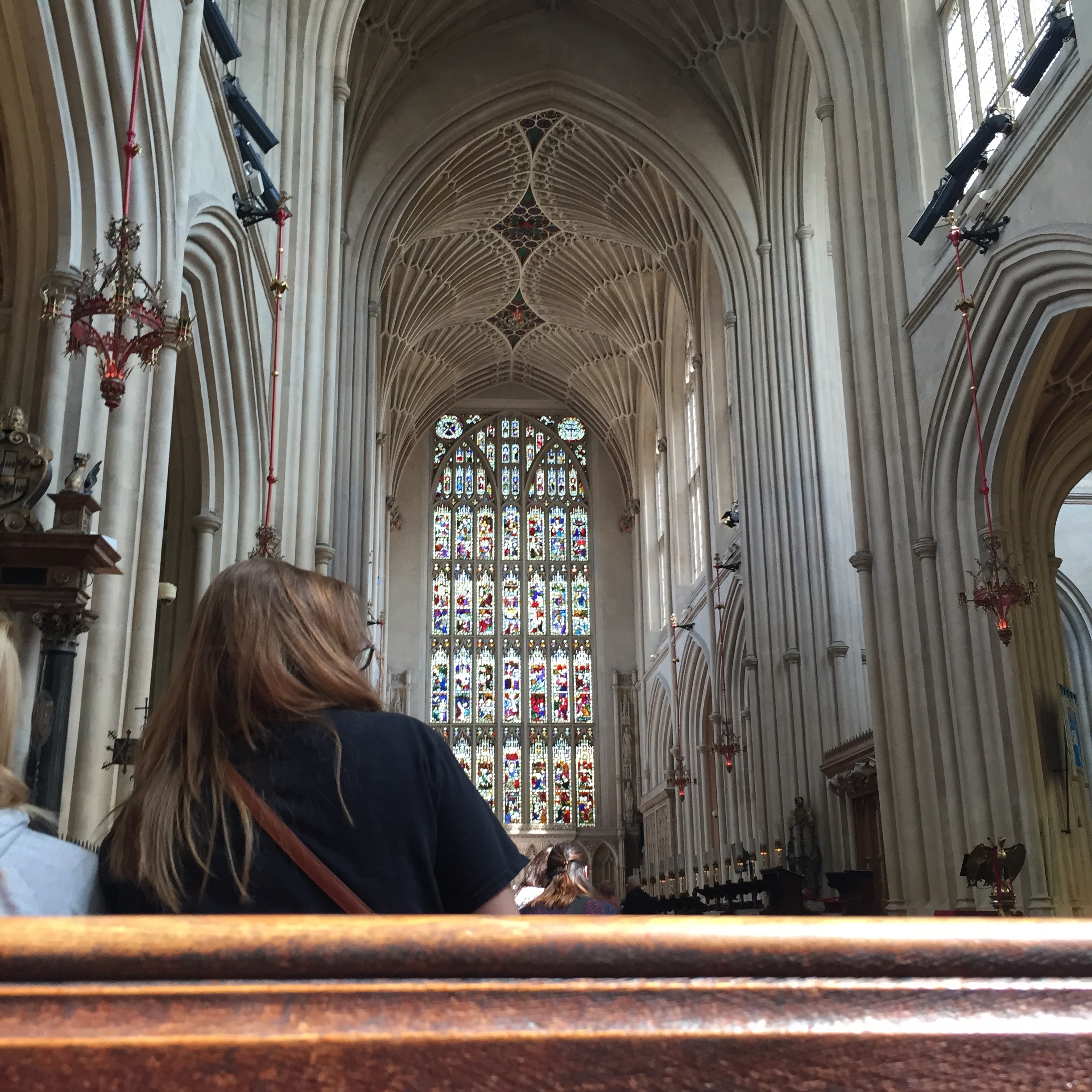 The interior of the Abbey is very similar to St. George’s Chapel at Windsor. The Gothic lines which shoot up from the floor making it look almost as if the stone columns are growing from the ground and then sprouting across the ceiling.
Its hard to tell in this picture, but the stain glass windows are vibrant and extremely colorful. Like both Westminster and St. George’s the nave is lined with wooden choir seats. While we were there we participated in the daily prayer, which consisted of a recitation of the Lord’s Prayer.
Roman Bath Houses
The Bath House dates back to around 75 AD, and is the most complete and preserved of any in the world. After the Ottoman’s took over Turkey from the Roman Empire the Roman Bath’s began to disappear. The Turks, however, loved the baths. Now its more common to hear about a “Turkish Bath” than a “Roman Bath.”
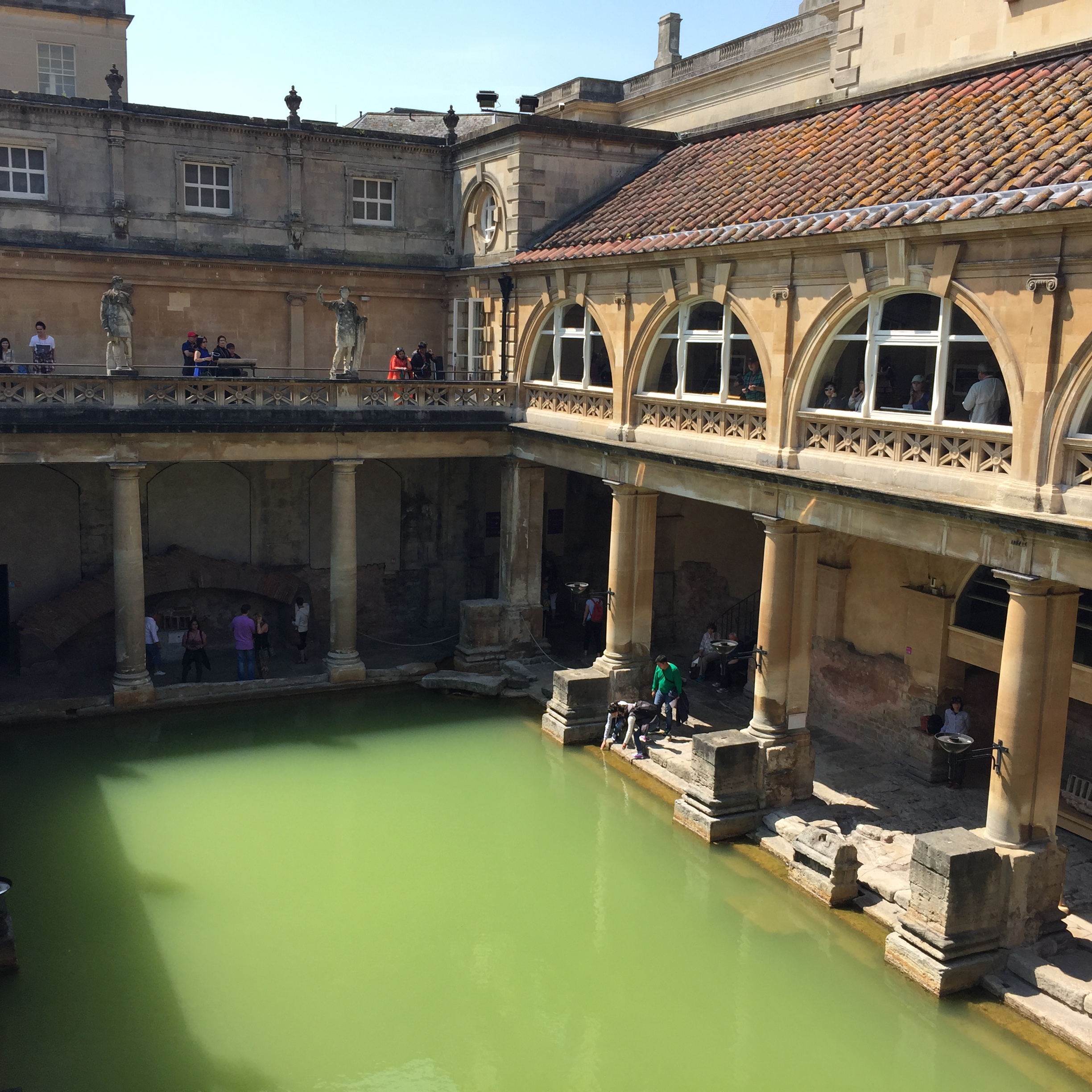
 After the demise of the Roman Empire, the bath became “silted” or covered with dirt and silt. In the 12th Century, individuals began rediscovering aspects of the baths. In the 1720s, construction workers excavating for a new sewage line, uncovered a roman artifact, a woman’s head. It turned out to be a fragment from the statute of Minerva, a Roman goddess. This led to more excavation.
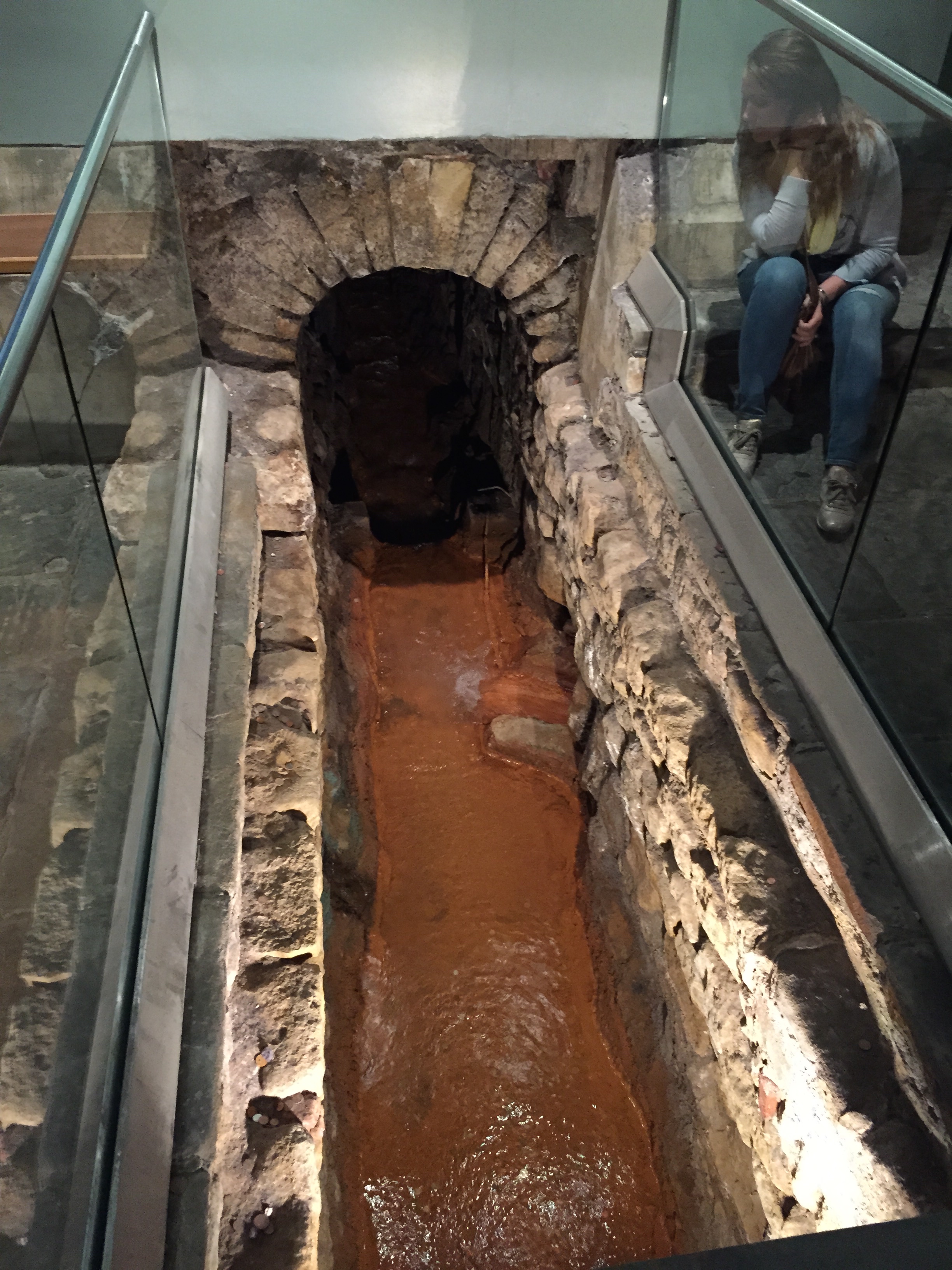
 In the 1800s, the architect John Wood and his son (also named John Wood) began reconstruction of the baths to include the current buildings. Included in the construction were the creation of statutes for each of the Roman leaders who governed Britain, including Julius Caesar, Claudius, and Hadrian (of the Wall’s fame). The above shown aqueducts are part of the original roman system, and still carry the hot springs which warmed the baths.
 Next to the baths the Romans built a temple and grounds. Archeologists have uncovered large pieces of the temple, which they have used to fully understand what it looked like.
In the middle of the archway is a picture of a man. His hair is flowing like floating in water, the tips of the hair are serpents. There is some speculation of who it might be, either the Gorgon (Medusa) or Neptune (Roman God of Water).
Either way, its very cool.
The Circus & Assembly Rooms
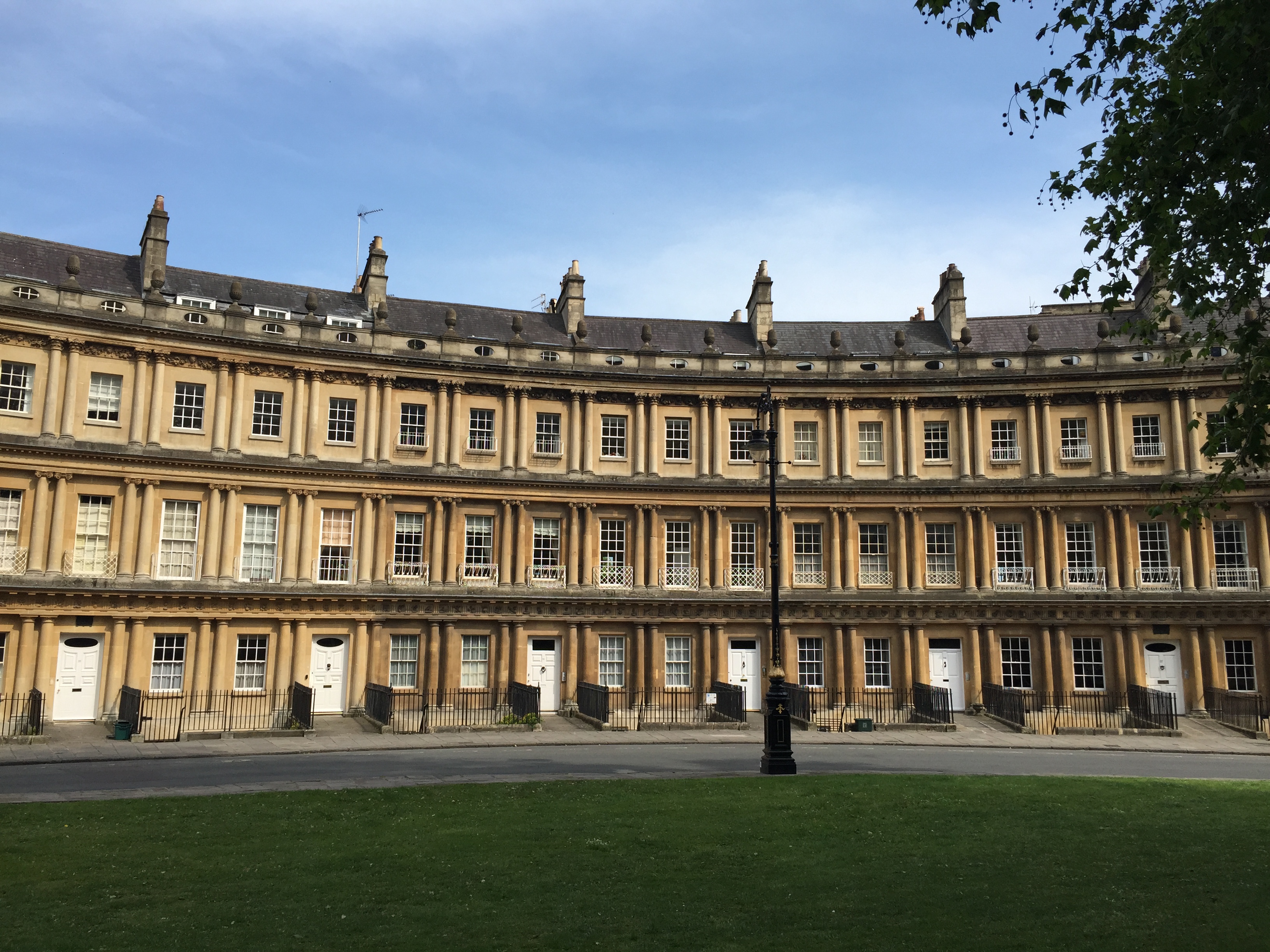 The Circus is a terrace of buildings which surround a circular square. Work on the buildings began in 1754 and completed in 1768. The buildings were designed by the same John Wood who designed and built the buildings now standing over the Roman Bath houses. The Elder Wood died during construction and never saw the building’s completion, but his son John Wood finished the project. The architecture is considered some of the finest Georgian achievements. Several celebrities and artists including William Pitt (British Prime Minister who oversaw the abolition of slavery in England), Nicholas Cage, and Thomas Gainsborough lived in the Circus. A large section of the Circus was destroyed during World War II, when Germany “Blitzed” the United Kingdom with bombs. Today, the buildings are completely restored.
 Almost immediately adjacent to the Circus are the Bath Assembly Rooms. These were basically social halls where the citizens of Bath would meet and congregate. The building includes a card room area, a ball room, and a general meeting hall.
The Cotswolds/Castle Comb

After Bath we drove the short distance to one of the most scenic parts of England, the Cotswolds. The Cotswolds are comprised of small villages scattered over the country side. One of the main attributes of the villages are their honey colored cottages. The term “wold” means gentle hillside. It is not hard to imagine yourself in these villages 200 years ago. They would make the perfect setting for several fairytales.
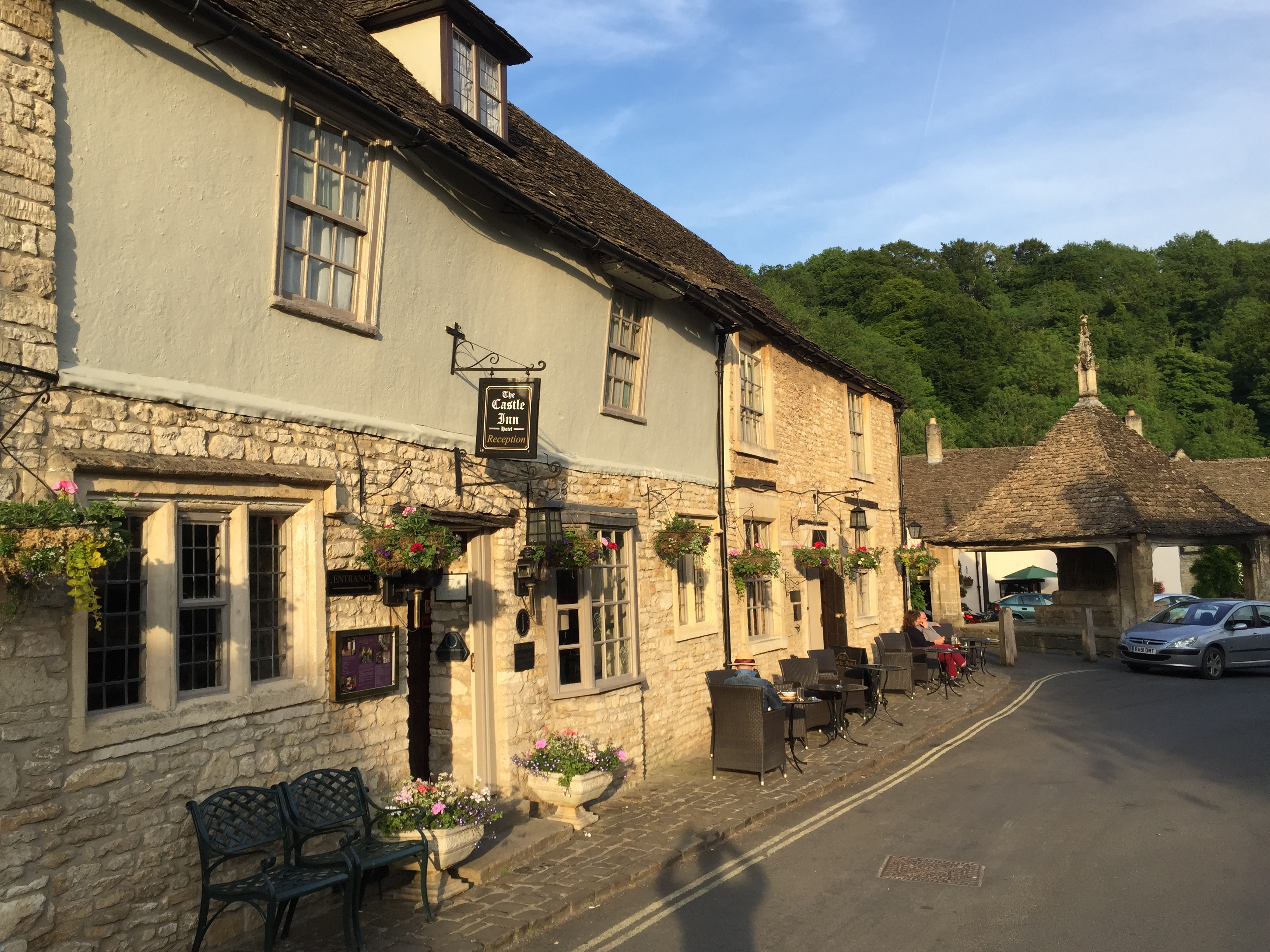
Of the many villages, I chose to stay in Castle Comb, at the Castle Inn. Castle Comb is in a lot of movies due to its lack of telephone lines, and television antennas. Notable movies shot here include Stardust, Dr. Doolittle (the original with Rex Harrison), War Horse, and numerous television shows. Parts of the Inn itself were built almost 500 years ago.
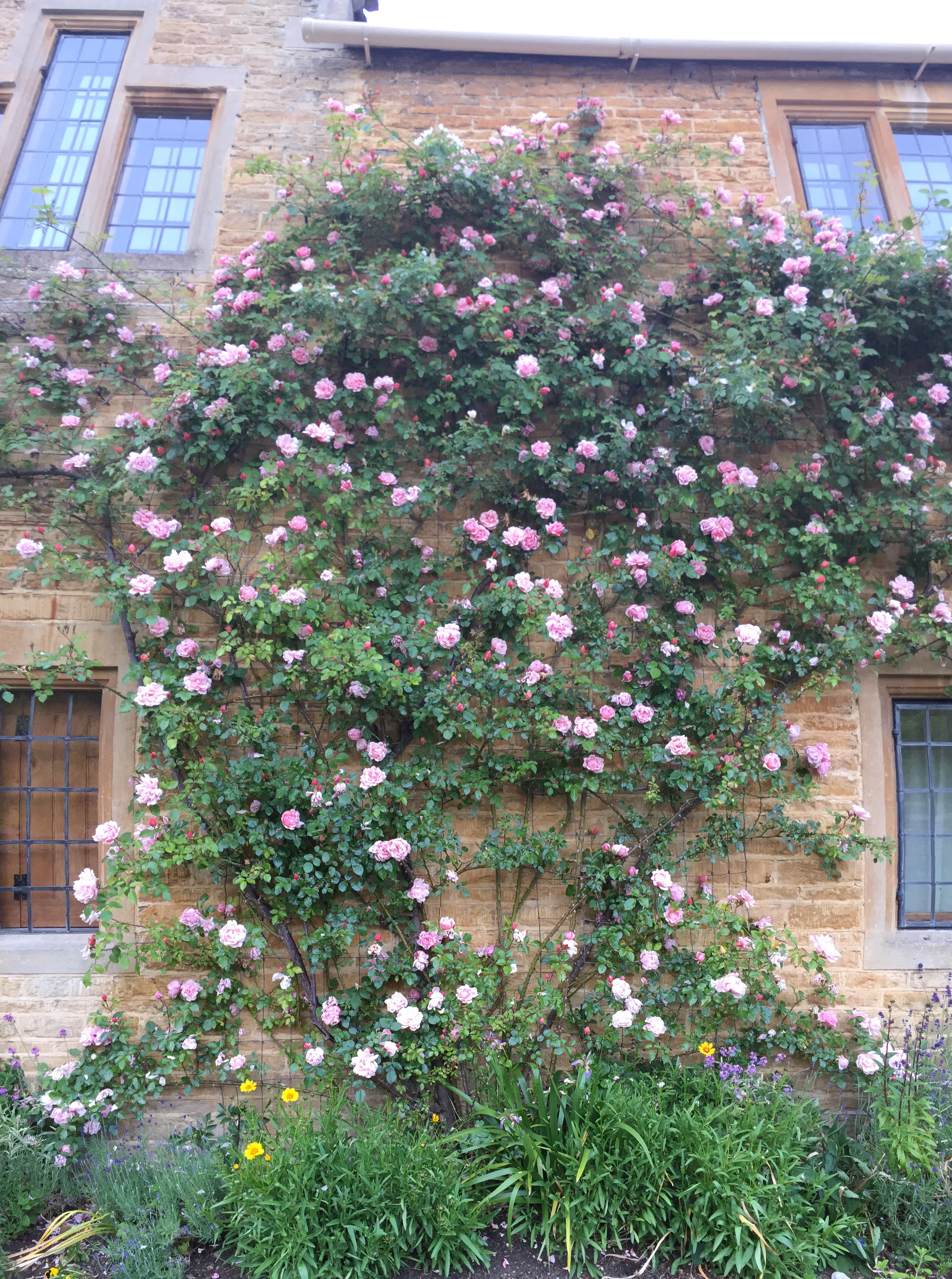
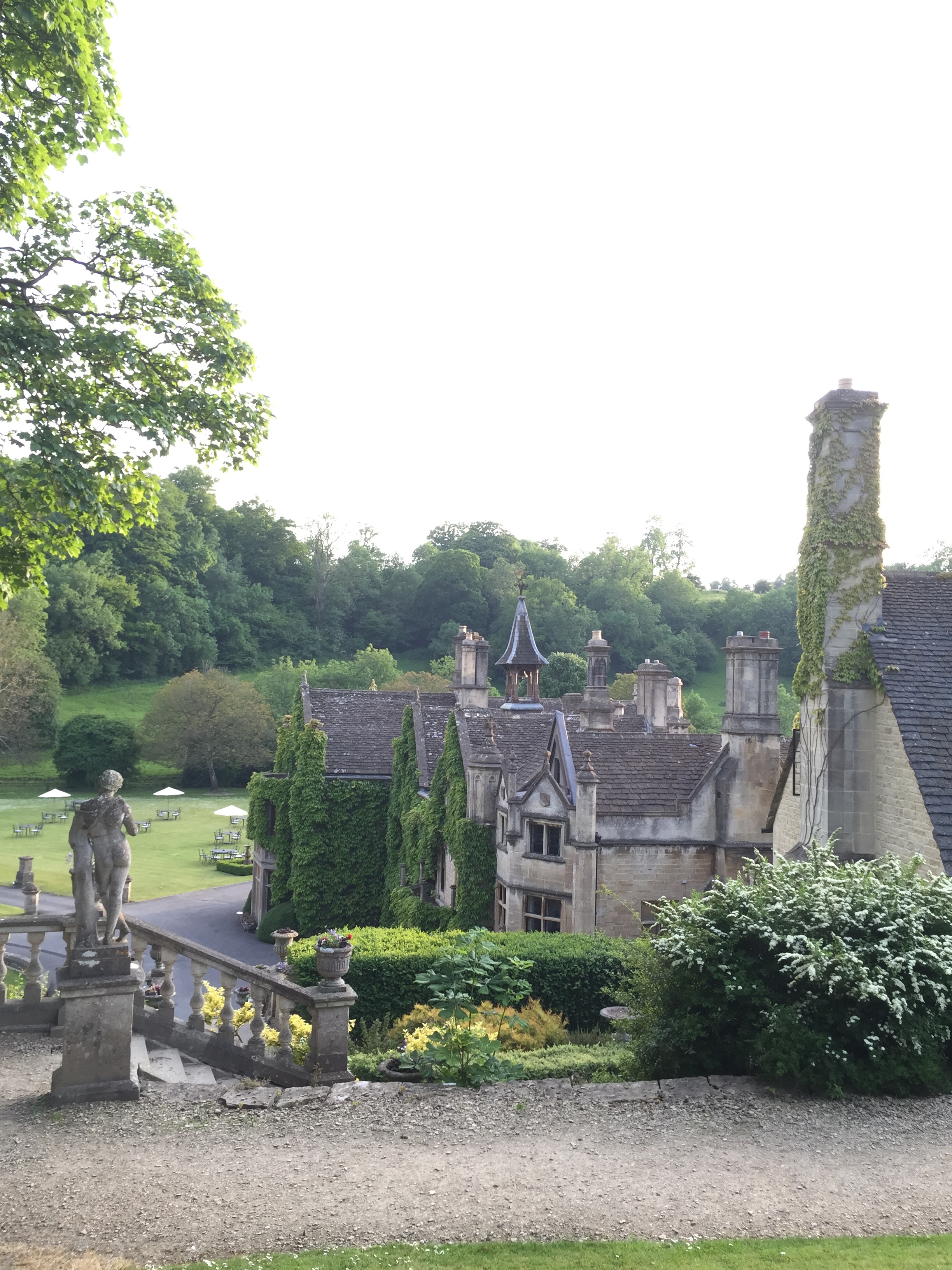
In the middle of the village is a church and cemetery. We spent last night wondering through the streets. It seemed every corner we took brought us to a new sight which we had to photograph. Its truly one of the most quaint places I have ever been. Plus the lamb pie, was delicious. I’ve probably eaten more lamb in the past four days than I’ve eaten in the past four years. When in Rome I guess. Below are some of the many wonderful views of Castle Comb.




Well that about sums up our Day 4.

 Christiansen Travel